The Digital Dental Lab in 2026: Where the Industry Is Headed
The short version
- Digital tools (scanning, milling, 3D printing) are now the normal way to work.
- Good techs are hard to hire, so labs use tech to do more with fewer people.
- Great tech alone does not bring new dentists. You still have to market.
The dental lab industry in 2026 is defined by three forces: the shift to fully digital workflows, ongoing labor and staffing pressure, and continued consolidation. Labs that lean into digital and market themselves are pulling ahead.
Digital workflows are now the baseline
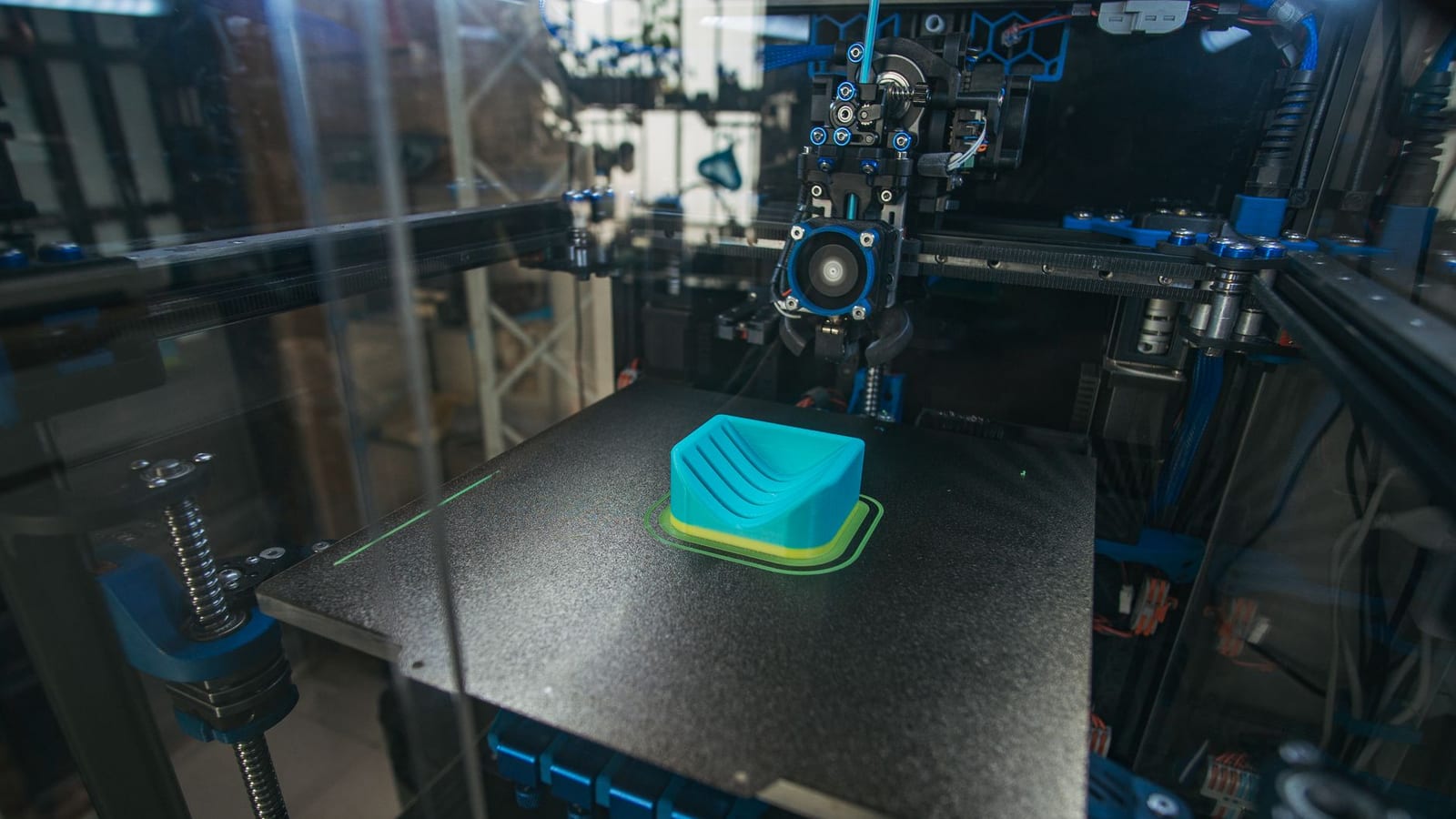
Intraoral scanning, design software, milling, and 3D printing are no longer optional for competitive labs. Inside Dental Technology (IDT) and LMT, the two leading first-party trade publications, have tracked the steady move from analog to digital case flow and the rise of chairside and same-visit dentistry that reshapes what dentists ask of labs.
Staffing is the constraint
Skilled technicians remain hard to hire, a point the NADL and trade coverage return to repeatedly. Automation through digital design and printing is partly a response to that shortage, letting labs produce more without proportionally more headcount.
What it means for a lab that wants to grow
Technology alone does not fill your bench. A lab can have the best milling in the region and still be invisible to nearby dentists. Pairing a strong digital workflow with a simple, honest marketing system is how labs turn capability into new accounts.
Frequently asked questions
What are the biggest dental lab trends in 2026?
Full digital workflows (scanning, design, milling, 3D printing), staffing and technician shortages, and industry consolidation. Digital-forward labs that also market themselves are gaining share.
Is analog dental lab work going away?
It is shrinking, not gone. Digital workflows are the competitive baseline for most case types, but many labs still run hybrid analog and digital processes.
Sources (first-party, credited)
Want this system run for your lab?
Book a callKeep reading
The 7 Things Dentists Want From a Lab in 2026, Ranked
Ranked: what dentists actually want from a dental lab in 2026, and how to put each one in your ads so the right dentists call.
More At-Bats: Why the Number of Ads You Test Decides If Your Lab Grows
The labs that grow are not the ones with the cleverest single ad. They are the ones that get the most at-bats, then actually close the dentist calls.
Facebook vs Instagram for Dental Lab Ads: Where Dentist Leads Come From
A plain comparison of Facebook and Instagram for reaching local dentists, and why running both together beats picking just one.